Understanding the Role of a Commercial General Contractor in Ensuring High-Quality Construction
A commercial general contractor is essential to the building sector. They confirm projects adhere to schedules and budgetary constraints. Their role involves coordinating multiple stakeholders and managing complex schedules. This integration is necessary for sustaining high safety and quality levels. Understanding their responsibilities shows their impact on project results. Which particular methods do they use to navigate challenges and deliver successful results?
The Importance of a Commercial General Contractor
Although some may downplay their function, a commercial general contractor is essential to the success of building projects. Functioning as the central point of contact, these professionals ensure the smooth integration of all construction elements. Their expertise encompasses more than just project management, including clear stakeholder communication, including clients, subcontractors, and suppliers. By managing budgets, timelines, and resource distribution, they lessen dangers and improve operational efficiency.
Additionally, commercial general contractors manage complicated legal frameworks, confirming conformity with local building regulations and safety rules. Their experience in conflict resolution and handling issues is extremely valuable, particularly when unforeseen difficulties occur during the build. Ultimately, a skilled commercial general contractor encourages cooperation, increases effectiveness, and adds to the total quality of the build. Their critical function establishes the basis for success, making them integral to any building endeavor, regardless of scale or complexity.
Key Responsibilities of a Commercial General Contractor
While overseeing a construction project, a commercial general contractor handles a wide array of important functions that are critical for a positive outcome. Primarily, they oversee project timelines, ensuring deadlines are met and that the project progresses as planned. They also oversee budgeting, managing expenses and ensuring resources are allocated efficiently.
The contractor is also accountable for recruiting and coordinating sub-trades, vetting competent individuals for specific jobs such as electrical and plumbing installations. The contractor ensures adherence with local building codes and safety regulations, minimizing potential issues associated with building operations.
Additionally, a commercial general contractor is tasked with obtaining required permits and licenses to facilitate the construction process. Regular site visits are carried out by the contractor to track quality and project advancement, addressing any issues that arise without delay. Ultimately, their role is to guarantee that the project meets specifications, is finished within the schedule, and stays within the financial limits.
Coordination and Communication in Construction Projects
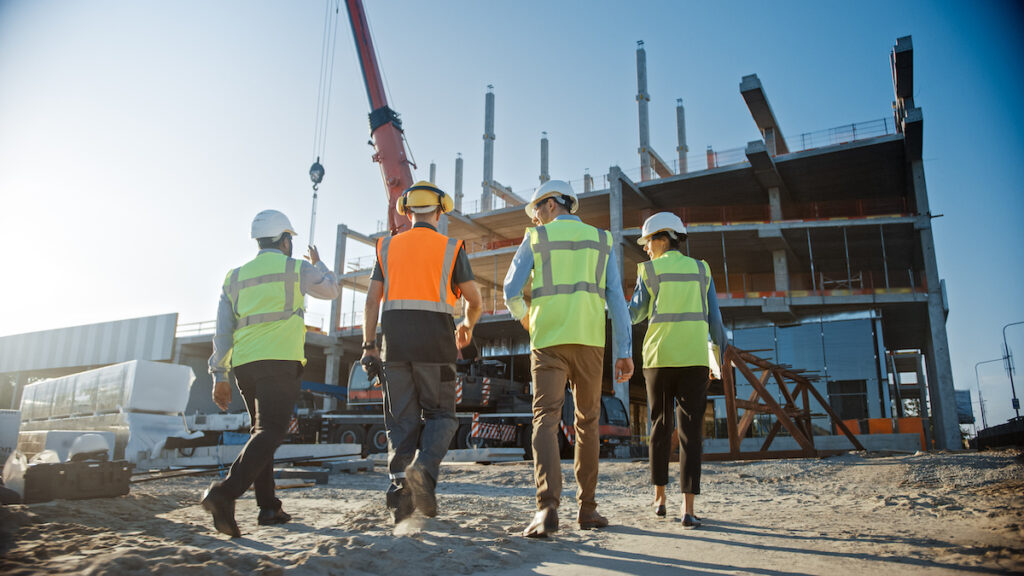
Successful coordination and communication are vital components in the success of construction projects, as they make certain all participants are on the same page with the project's goals and timelines. A commercial general contractor is instrumental in facilitating this process by setting up defined communication channels among clients, architects, suppliers, and subcontractors. They make certain that updates regarding project progress, changes, and potential issues are communicated in a timely and clear manner.
Routine meetings and progress reports are essential to this coordination, allowing for the timely resolution of conflicts and the adjustment of schedules as needed. The contractor's skill in promoting teamwork among diverse teams boosts the project's overall effectiveness and reduces confusion. In addition, the use of project management tools and technologies can optimize the communication flow, guaranteeing everyone can view to the up-to-date information. Effective communication and coordination culminate in improved project outcomes and party gratification in the construction industry.
Financial Oversight and Budget Control
Budget management and financial oversight are essential to the successful completion of building projects, ensuring that resources are allocated efficiently and expenses are managed. The general contractor is instrumental in this process by creating comprehensive budgets based on the scope of work and expected client outcomes. The contractor tracks spending throughout the entire project, noting discrepancies and performing needed modifications to avoid overruns.
The contractor works closely with suppliers and subcontractors to finalize agreements, guaranteeing fair pricing while preserving high quality. Routine financial reports and projections enable stakeholders to remain current and make informed decisions quickly. Through the use of strict financial oversight, the contractor reduces potential issues associated with unexpected costs, keeping the project financially sound. In the end, prudent fiscal management and oversight improve the feasibility of the project but also foster trust between clients find here and contractors, leading to the successful conclusion of the project.
Ensuring Safety and Quality Standards
Rigorous adherence to safety and quality requirements is essential in the construction industry, where the stakes are high and errors can be costly. General contractors in the commercial sector are key players in implementing rigorous safety protocols and quality assurance measures from start to finish. It is their duty to follow local building codes, industry regulations, and best practices, which reduces potential hazards and boosts the project's overall quality.
For this purpose, contractors often conduct regular site inspections, monitor compliance with safety guidelines, and offer continuous employee education. Contractors partner with reputable subcontractors and vendors who prioritize quality results, making sure the work and materials meet required specifications. Through cultivating a focus on safety and quality, commercial general contractors safeguard their employees but also enhance the durability and longevity of the structures they build, resulting in successful projects and happy customers.
Questions and Answers
Which Credentials Should I Seek in a General Contractor?
In choosing a general contractor, one should consider their project history, credentials, insurance, references, and experience - Hickory top rated Commercial General Contractor. Furthermore, strong communication abilities and a proven track record of managing budgets and timelines are crucial for achieving project success
What is the Best Way to Choose the Right Contractor for My Project?
When picking a suitable contractor, one should assess their background, verify past clients, look at previous work, confirm licenses and insurance, and guarantee clear communication. A comprehensive interview stage can help assess alignment with project objectives.
What Difficulties Do Commercial General Contractors Often Encounter?
Commercial builders commonly encounter difficulties including managing subcontractors, labor shortages, budget limits, scheduling issues, and compliance requirements. These difficulties have the potential to influence the overall quality, budget, and duration of the project if they are not handled well during the project life cycle.
How Do Builders Deal With Surprises During the Construction Phase?
Contractors address unexpected issues during construction by determining the situation fast, creating backup strategies, and updating clients and partners. Hickory top rated Commercial General Contractor. The staff often rely on their collective experience and cooperation to put solutions into place, making sure there is minimal disruption to the project's timeframe and financial plan
What Is the Usual Schedule for a Business Construction Project?

The standard timeframe for a business construction job ranges from several months to a few years, based on factors such as the project's extent, its complexity, permitting processes, and the labor and material availability.